
2026.04.09
UNDP Bangladesh Study Tour Report
Bangladesh: A Country in Focus
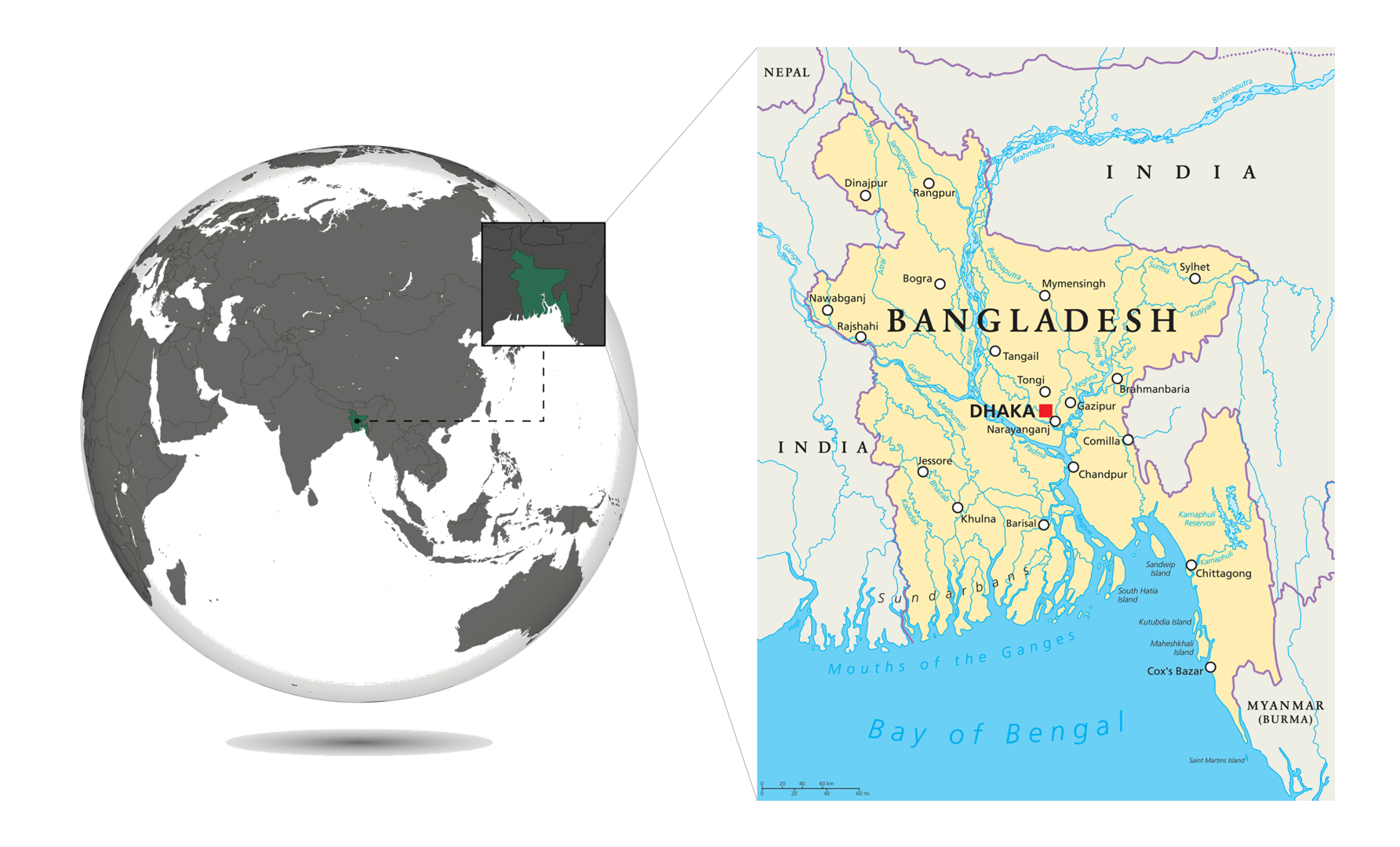
What comes to mind when you hear “Bangladesh”? For many, the immediate associations might be overcrowding, poverty, and devastating floods. Located in South Asia and bordered by India and Myanmar, Bangladesh covers approximately 148,000 square kilometers, roughly 40% of Japan’s landmass, yet is home to around 180 million people, making it one of the most densely populated nations on earth. Since gaining independence from Pakistan in 1971, the country has navigated extraordinary hardship while achieving remarkable economic growth. Its GDP has expanded roughly tenfold over the past two decades, driven in large part by a thriving manufacturing sector, particularly the garment industry. Chances are, you have at least one item in your closet with a “Made in Bangladesh” label.
Walking through Dhaka (or more accurately, inching through it in gridlocked traffic), you are immediately overwhelmed by the city’s sheer energy. Rickshaws, motorcycles, buses, and people weave together in a state of perpetual, organized chaos. The city feels viscerally alive. That sense of raw vitality was the first thing that struck me upon arrival and it is something no dataset or report could ever fully convey.
In recent years, Bangladesh has also undergone rapid digital transformation. Smartphone penetration has surged, particularly in urban areas. Social media platforms, Facebook above all, have become primary channels for information and communication. Notably, this digital shift has been mobile-first from the outset, predating widespread fixed-line internet infrastructure. Millions of Bangladeshis accessed the internet for the first time directly through their smartphones, a phenomenon often described as “digital leapfrogging.”
Politically, Bangladesh entered a period of significant transition between 2024 and 2025. Prime Minister Sheikh Hasina, who had led the government for many years, stepped down amid large-scale student-led protests. A caretaker administration headed by Nobel Peace Prize laureate Muhammad Yunus subsequently took office. This political shift has introduced considerable uncertainty into the country’s governance landscape, and the operating environment for foreign businesses remains unstable. In conversations with representatives from Japanese companies operating locally during this study tour, the difficulty of conducting business with government counterparts emerged as a recurring theme.
The Natural Disaster Landscape in Bangladesh
Bangladesh’s vulnerability to natural disasters is widely recognized on the international stage. The underlying causes are deeply structural, rooted in the country’s geography.
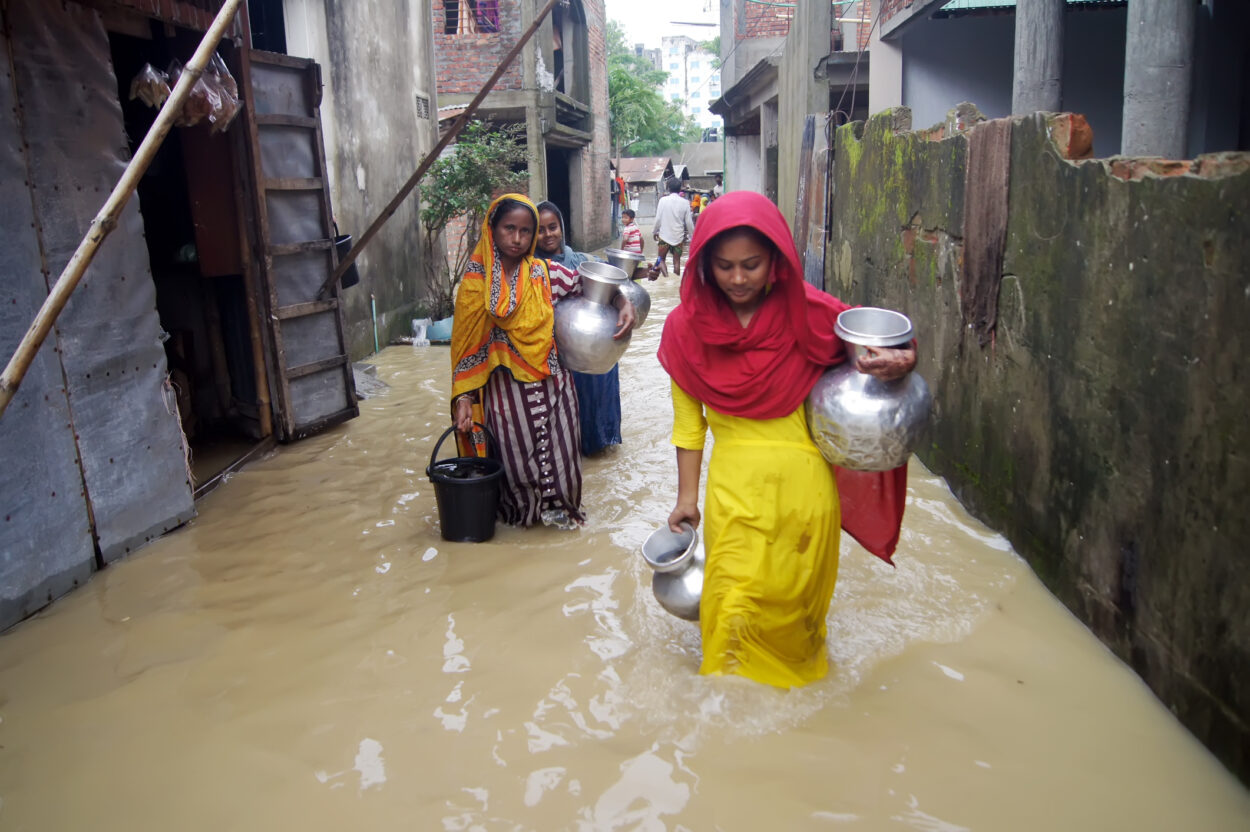
Geographically, Bangladesh sits at the confluence of three major river systems: the Ganges, Brahmaputra, and Meghna. Roughly 80% of the country lies within a floodplain, and seasonal monsoon flooding that inundates 20-30% of the national territory is essentially a given every year. The country’s Bay of Bengal coastline, meanwhile, sits squarely in the path of cyclones that have historically caused catastrophic loss of life. The 1970 Bhola Cyclone killed an estimated 300,000 people or more; the 1991 cyclone claimed upward of 130,000 lives.
In recent decades, advances in early warning systems and evacuation infrastructure have led to a dramatic reduction in cyclone-related fatalities, which was an achievement widely praised by the international community. However, climate change is driving an upward trend in both the frequency and severity of flooding, leaving little room for complacency. Equally alarming is the threat of sea-level rise. With much of the country lying only a few meters above sea level, Bangladesh faces the prospect of losing a significant portion of its territory to inundation before the end of this century. Saltwater intrusion is already degrading coastal farmland, and the displacement of climate refugees is rapidly shifting from a future scenario to a present reality.
Beyond flooding and cyclones, seismic risk cannot be overlooked. Bangladesh lies in proximity to the convergence of the Indian, Australian, and Eurasian tectonic plates, and major cities including Dhaka and Chittagong fall within moderate-to-high seismic hazard zones. The devastating earthquake of 1897 left a grim historical record, and given today’s high-density, structurally vulnerable urban landscape, the potential consequences of a major seismic event are difficult to overstate.
In response to these overlapping threats, the Bangladeshi government has implemented a range of disaster risk reduction measures: construction of cyclone shelters along the coastline, development of community-based early warning systems, and enactment of disaster management legislation, among others. While Bangladesh has in some respects emerged as an internationally recognized success story in disaster preparedness, substantial challenges remain.
Study Tour Highlights and Key Takeaways
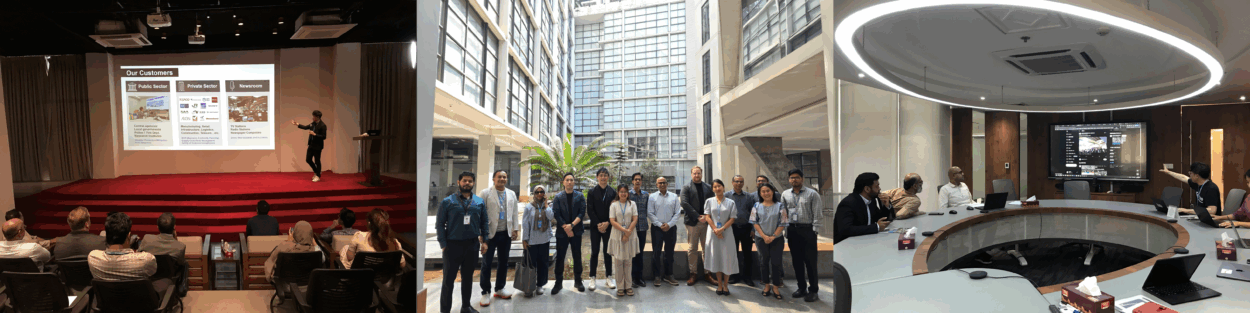
This study tour was conducted as part of the Japan SDG Innovation Challenge (JSIC), an initiative jointly organized by Japan’s Cabinet Office and UNDP. JSIC serves as a platform connecting Japanese private-sector companies and startups with UNDP’s Accelerator Labs to pilot and scale solutions to Sustainable Development Goals-related challenges. The on-site program ran from March 1–5, with Spectee participating as one of the member companies, visiting Dhaka and surrounding areas.
Below are highlights from several of our site visits.
Bangladesh Meteorological Department (BMD)
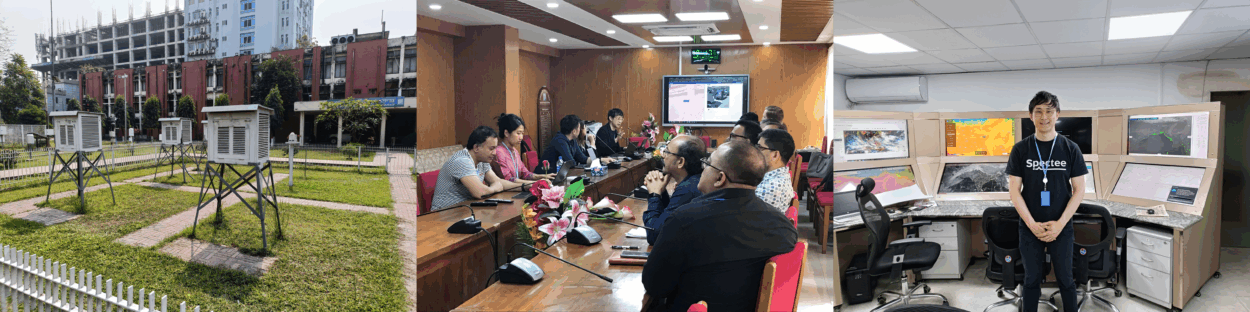
The Bangladesh Meteorological Department serves as the country’s primary authority on weather observation, forecasting, and early warning. It plays a role of critical national importance in a country where cyclones and floods have claimed lives repeatedly throughout its history. At the BMD facility, real-time weather radar feeds were visible on monitors throughout the briefing room, and staff were clearly engaged in demanding operational work. At the same time, signs of aging equipment were evident throughout, and a number of processes continue to rely on manual, analog methods. Systems for satellite data analysis and observation equipment upgrades remain works in progress, with significant room for advancement in digitization and automation.
The visit brought a core institutional challenge into sharp relief: the BMD can collect weather data, but lacks robust systems for rapidly analyzing, disseminating, and acting on that data. Closing this gap is an urgent priority in a country where the speed and accuracy of meteorological information is a matter of life and death. We also witnessed that JICA is actively engaged in this space through its technical cooperation project on meteorological and climate analysis capacity building, a meaningful contribution from Japan’s weather expertise.
Ministry of Disaster Management and Relief (MoDMR)
The Ministry of Disaster Management and Relief is Bangladesh’s central government body responsible for disaster preparedness, risk reduction, and relief operations. It serves, in effect, as the command center for the country’s entire disaster management architecture. During our meeting, we presented the capabilities and case studies of Spectee Pro, and received an encouraging response: the officials affirmed that our platform would clearly be valuable in the Bangladeshi context.
That said, the visit also surfaced some sobering realities. We learned that the Ministry’s operations center had sustained damage from the riots during the 2024 political upheaval. At the time of our visit, portions of it remained out of service. This is not merely a matter of technology or funding. It illustrates how deeply political and social stability are intertwined with administrative operational capacity. The visit reinforced the need to think carefully about our go-to-market approach: should we pursue this as a straightforward commercial engagement with the public sector, or would a model structured around international aid and development funding be more viable? These are questions that will require further deliberation.
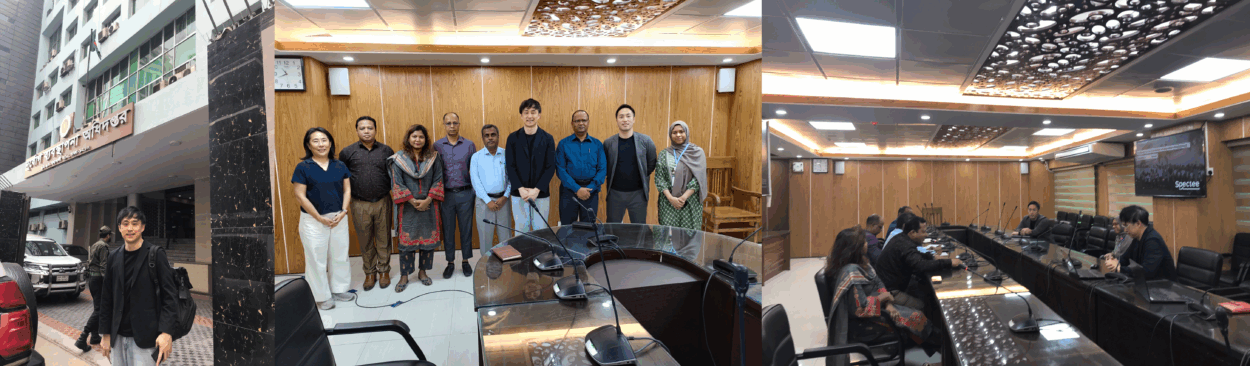
Fiber@Home
Of all the organizations we visited during the tour, Fiber@Home offered the most concrete and immediate sense of business partnership potential. One of Bangladesh’s two major telecommunications companies, and notably independent of the country’s large conglomerates, Fiber@Home serves an extensive base of government and municipal clients. Its portfolio spans CCTV network services, satellite communications (including a Starlink reseller operation), and a broad range of digital infrastructure businesses. Its headquarters houses a proprietary data center and a sophisticated cybersecurity monitoring facility, underscoring its standing as a pillar of Bangladesh’s digital backbone.
Fiber@Home demonstrated genuine enthusiasm for collaboration with Japanese technology firms. Its deep network into government agencies and local municipal information infrastructure makes it a highly compelling partner for Spectee’s crisis management information platform. The company stands out as an ideal local partner across all three critical dimensions of partnership suitability: financial strength, network reach, and industry influence. We intend to move forward with concrete discussions in the near term.
Conclusion: The Paradoxical Potential of Bangladesh
Of everything this study tour revealed, one insight stands out above all: Bangladesh’s paradox of potential.
The information infrastructure is fragile. Meteorological and disaster management systems are outdated. Administrative operational capacity is constrained. And yet, 180 million people are connected through an explosive proliferation of social media, with Facebook functioning as a de facto information lifeline precisely because formal infrastructure is lacking. It is this paradox that makes the value of Spectee’s capabilities in crisis information collection, analysis, and dissemination potentially even greater in Bangladesh than in Japan.
The challenges are equally clear. We need to make deliberate choices about our business model: a pure commercial play targeting the public sector, or a framework anchored in international aid and development finance. But the outcomes of this tour, namely a strengthened network with international organizations, a strong local partner candidate, and direct dialogue with government ministries, provide a solid foundation for the next chapter.
Bangladesh revealed itself, on this first visit, as both a complex market and, more importantly, a place with an enormous unmet need in disaster risk management. We are confident that Spectee’s technology will have a meaningful role to play in protecting lives in this country.
Finally, a few impressions from the road. Our visit coincided with the holy month of Ramadan. Each evening at sunset, the streets filled with people hurrying home to break their fast with family and friends over Iftar, forming an unbroken flow of humanity that made the already formidable Dhaka traffic feel truly boundless. Pure chaos!…but beautiful.



Spectee and AFP have entered a partnership to bring Spectee’s crisis-related user generated content (UGC) to AFP’s global customer base. Leveraging its patented newsgathering technology, Spectee curates and verifies video content of natural disasters, extreme weather, political protests, military activities and other newsworthy events from around the world. AFP offers fast, reliable and exhaustive video […]
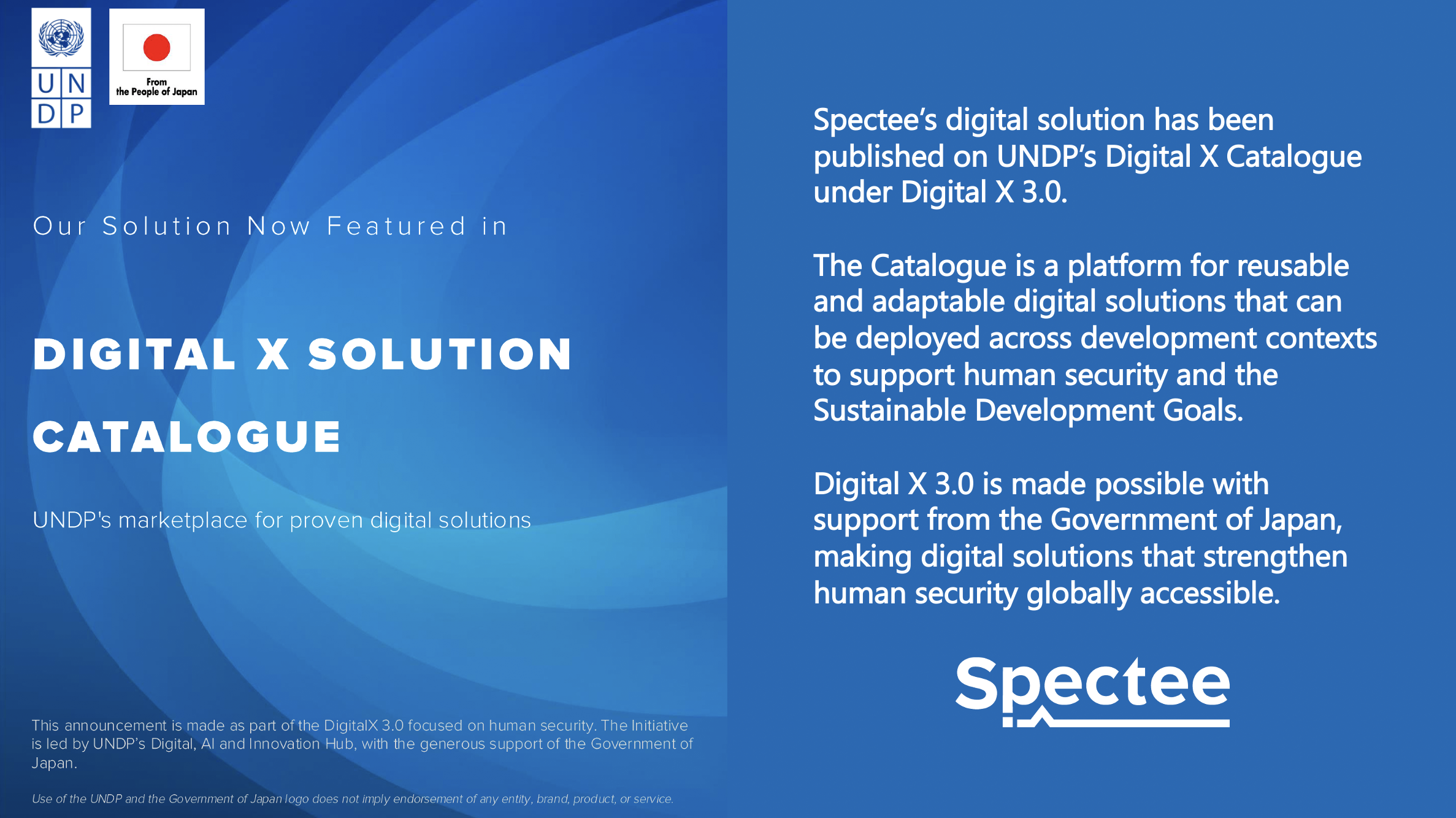
Spectee Inc. announced that its AI real-time disaster prevention and crisis management service, Spectee Pro, has been listed in the United Nations Development Programme (UNDP) Digital X 3.0 Catalogue. The Catalogue is a platform for reusable and adaptable digital solutions that can be deployed across development contexts to support human security and the Sustainable Development […]
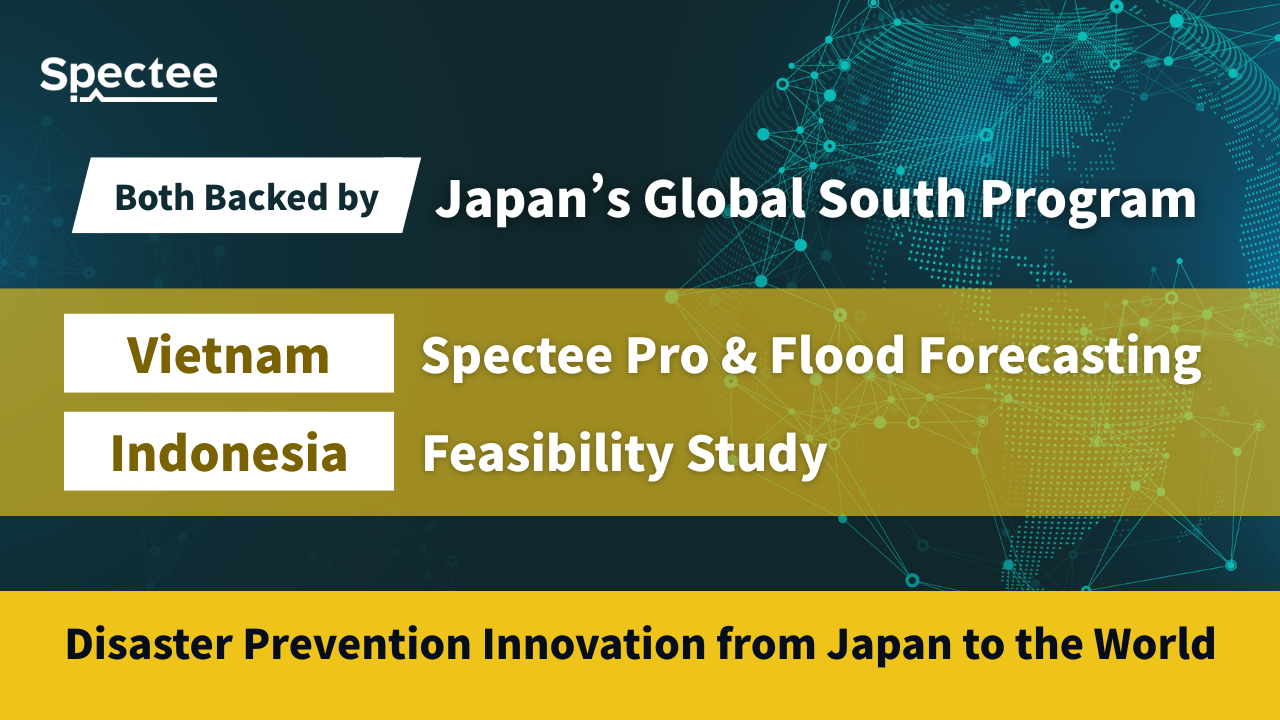
Spectee Inc. announced on February 5, 2026 that the Japanese government has decided to fund Spectee’s pilot project in Vietnam and feasibility study in Indonesia. The two initiatives aim to demonstrate the implementation of Spectee Pro and flood forecasting solutions in Vietnam, as well as to assess the feasibility of introducing similar systems in […]
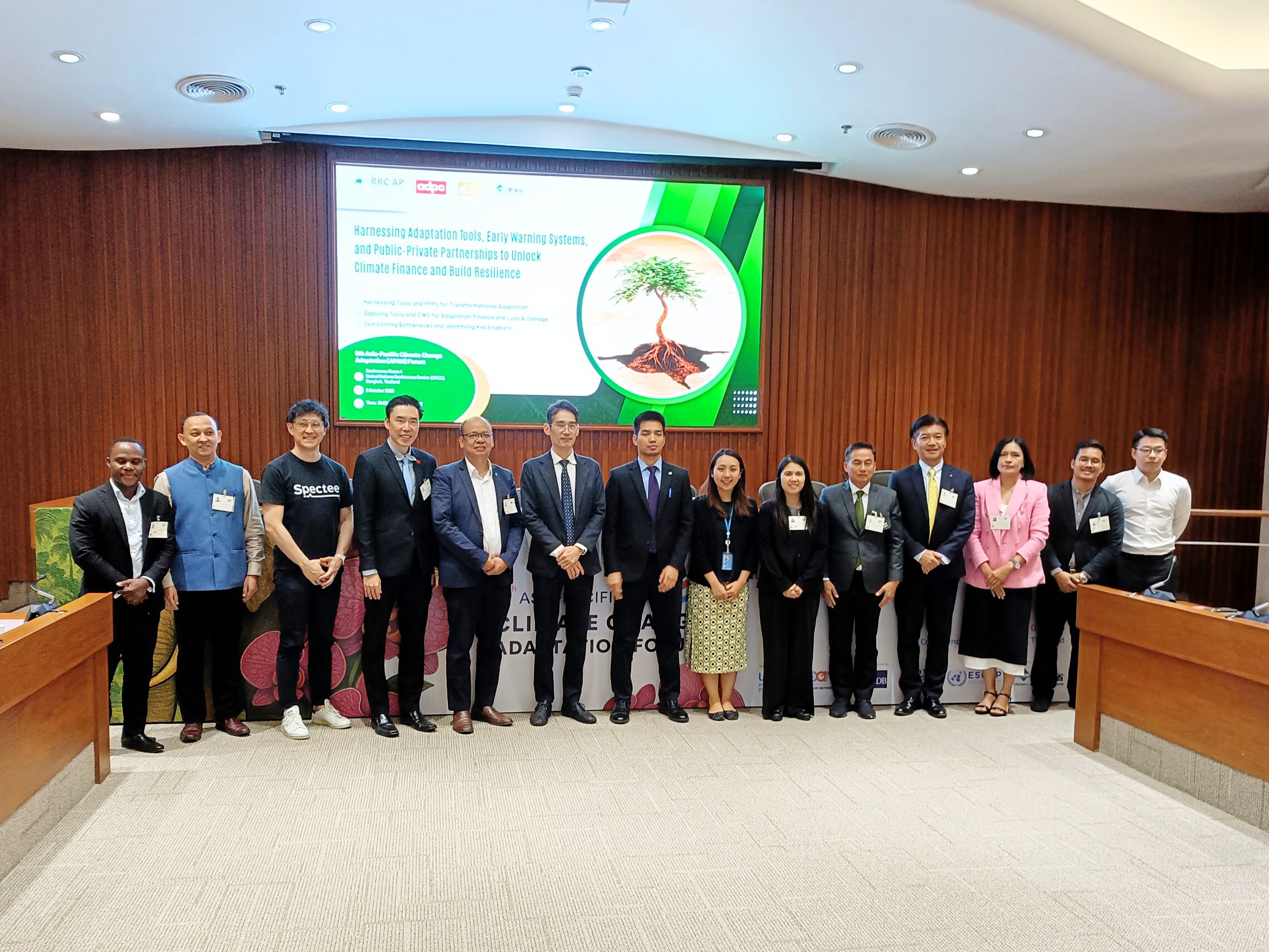
The 9th Asia-Pacific Climate Change Adaptation Forum (APAN Forum) was held from September 29 to October 3, 2025, at the United Nations Conference Centre in Bangkok, Thailand. The forum was co-organized by the United Nations Economic and Social Commission for Asia and the Pacific (UNESCAP), the Asian Development Bank (ADB), and the Asia-Pacific Network […]
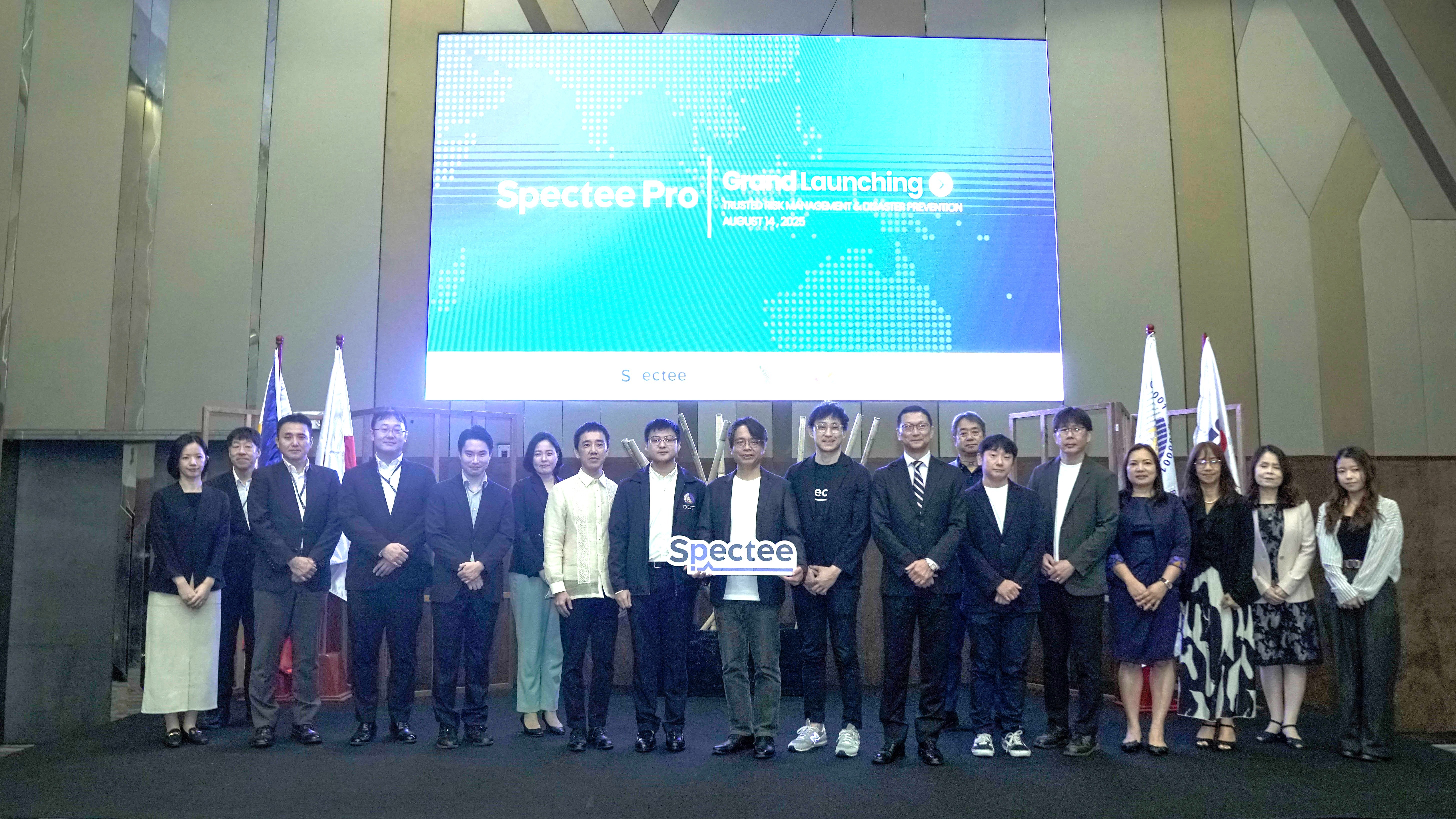
Joint initiative by Spectee, Japan International Cooperation Agency, and the Philippines’ Department of Information and Communications Technology to advance digital transformation in disaster management MANILA, Aug 14 – Spectee Inc., a disaster and crisis management technology startup based in Tokyo, announced the official launch of the Philippine version of its AI-powered real-time crisis management service, […]

